Development of chatbots for business
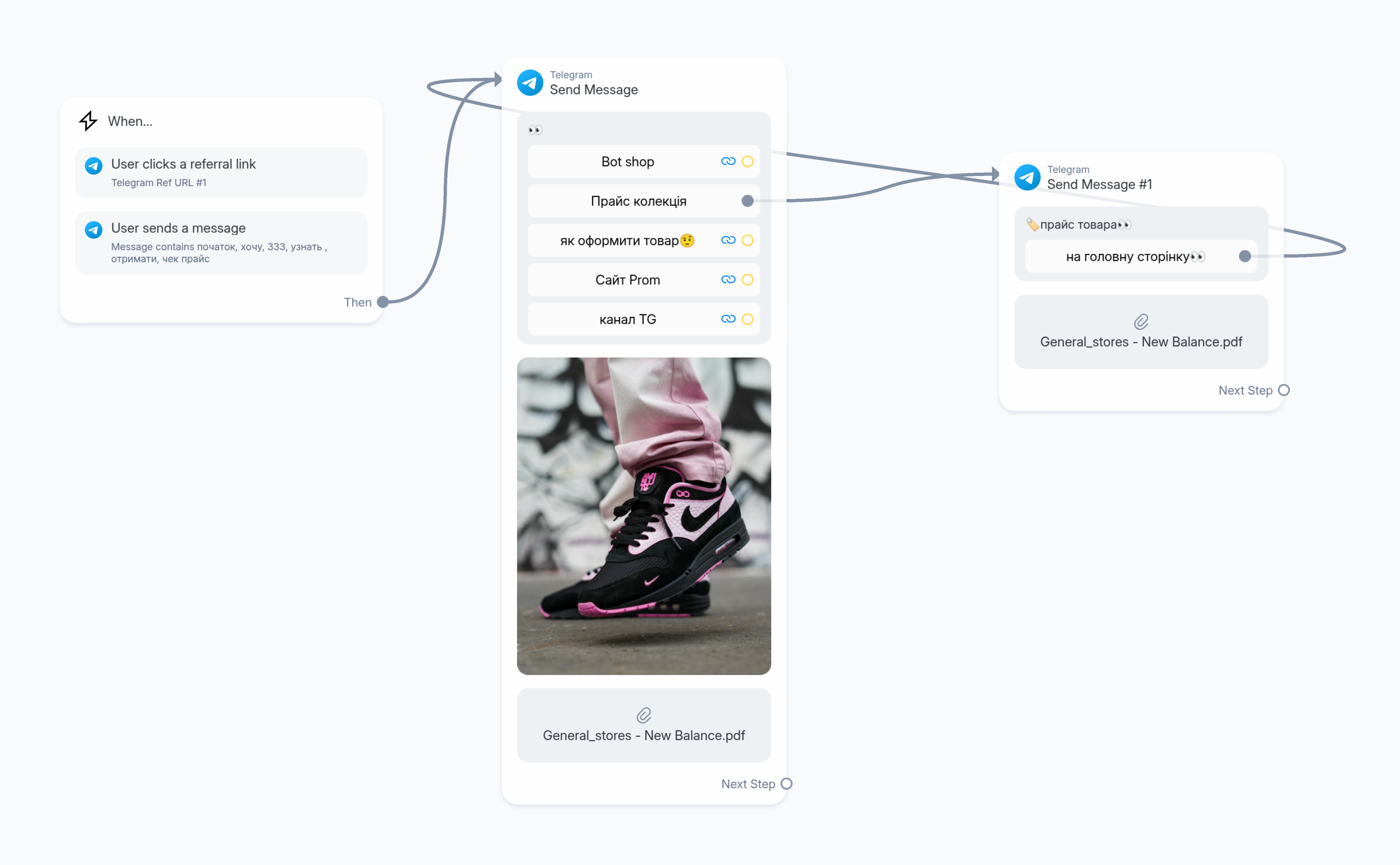
Development of chatbots for business is an important tool for automating processes, increasing customer service efficiency, and boosting sales. Modern chatbots are capable of performing a wide range of tasks, from providing basic information about products or services to complex integrations with CRM systems or other business processes.
Chatbots can be created for various platforms such as Facebook Messenger, Telegram, WhatsApp, Viber, or even for integration with the company's website. It is important to consider the specifics of your business and the needs of your customers to create the most effective tool. For example, for an online store, a chatbot can assist with product selection, order placement, and delivery tracking. In the service sector, it can schedule appointments, answer frequently asked questions, or even conduct satisfaction surveys.
The main advantages of using chatbots are 24/7 availability, quick responses, saving time and resources, and the ability to personalize customer interactions. For example, integration with databases allows the chatbot to address the customer by name, consider their purchase history or preferences, which increases trust and loyalty.
To create an effective chatbot, it is necessary to carefully plan its interaction scenarios, design, and functionality. The use of artificial intelligence and machine learning enables the creation of more "intelligent" bots that can analyze customer requests, adapt to their needs, and even learn from previous interactions.
Therefore, developing chatbots for business is not only a modern trend but also a necessity for companies aiming to remain competitive in the market. Implementing such a tool will help optimize operations, improve customer experience, and promote the growth of your business.
Chatbots can be created for various platforms such as Facebook Messenger, Telegram, WhatsApp, Viber, or even for integration with the company's website. It is important to consider the specifics of your business and the needs of your customers to create the most effective tool. For example, for an online store, a chatbot can assist with product selection, order placement, and delivery tracking. In the service sector, it can schedule appointments, answer frequently asked questions, or even conduct satisfaction surveys.
The main advantages of using chatbots are 24/7 availability, quick responses, saving time and resources, and the ability to personalize customer interactions. For example, integration with databases allows the chatbot to address the customer by name, consider their purchase history or preferences, which increases trust and loyalty.
To create an effective chatbot, it is necessary to carefully plan its interaction scenarios, design, and functionality. The use of artificial intelligence and machine learning enables the creation of more "intelligent" bots that can analyze customer requests, adapt to their needs, and even learn from previous interactions.
Therefore, developing chatbots for business is not only a modern trend but also a necessity for companies aiming to remain competitive in the market. Implementing such a tool will help optimize operations, improve customer experience, and promote the growth of your business.

 Chernigov
  Available for hire