Mini SEO audit Motormix
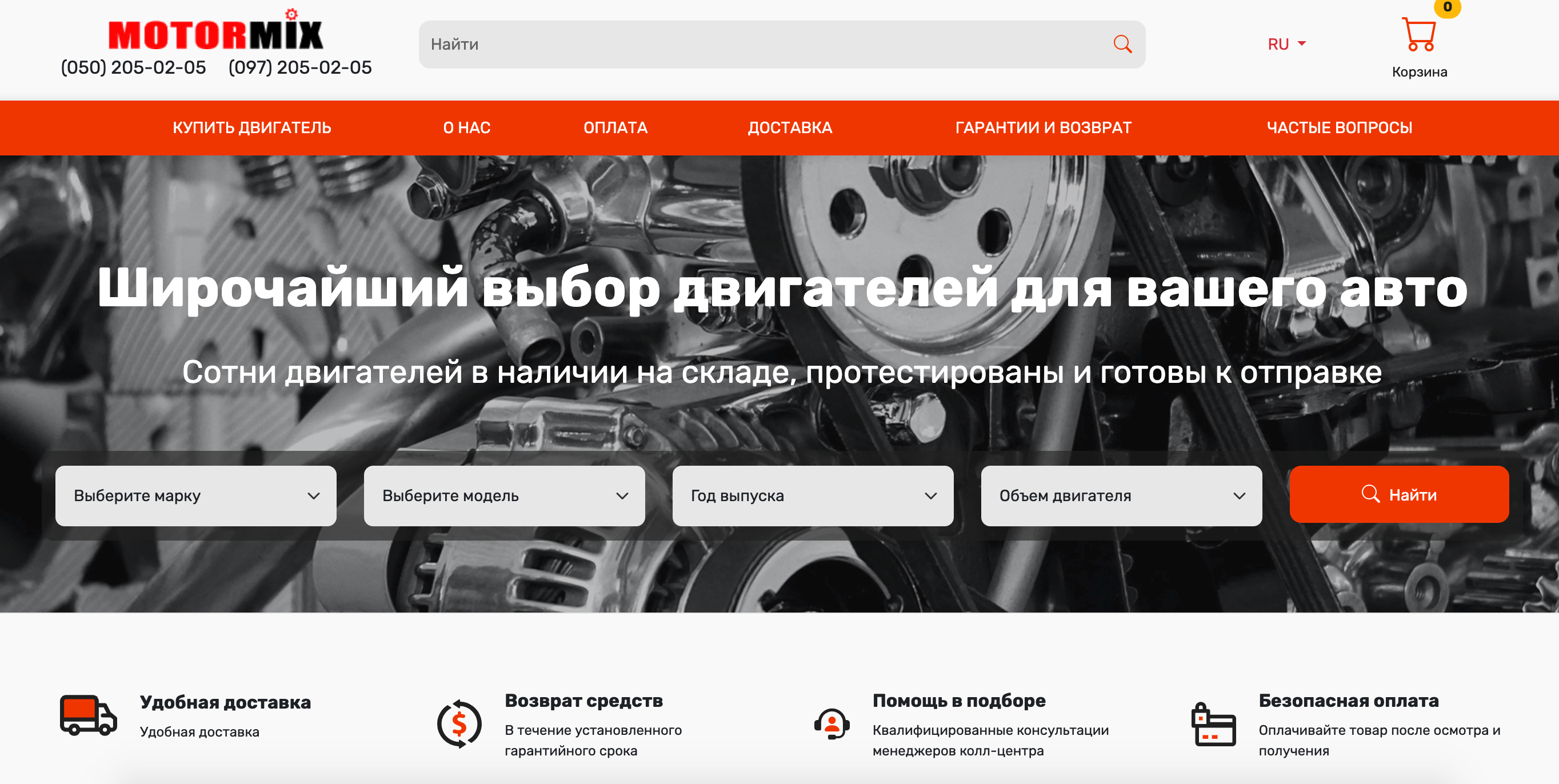
Mini SEO Audit Motormix
--------
Low speed of the mobile version
The mobile version of the website has low loading speed scores according to Google PageSpeed, averaging between 40-50 points out of 100. This level indicates insufficient optimization of resources for mobile devices. Pages load slowly, especially during the user's first interaction with the site. This creates additional technical barriers for the full functionality of the mobile version.
What needs to be done:
– Optimize images and other media files without losing quality.
– Reduce the load on the first screen of the pages.
– Review the logic of connecting styles and scripts for mobile devices.
Why this is important:
Google uses mobile-first indexing, so the mobile version is the basis for evaluating pages. Low speed complicates crawling and can lead to incomplete or slow indexing. Slow pages retain users poorly, negatively affecting behavioral signals. Collectively, this reduces the site's ranking potential in mobile search results.
Result:
Pages become more accessible to search bots and more stable in mobile ranking. The overall quality of the site's mobile presence in organic search improves.
-----------
Template meta-descriptions of pages
The site uses meta-descriptions built according to a single standard template with minimal differences between pages. The basis of such descriptions is a repetitive phrase like "Buy engine..." with the addition of the name. As a result, a significant number of pages have identical or nearly identical metadata. Some pages also have unconfigured or formally filled Title and H1.
What needs to be done:
– Create unique or varied descriptions for category pages.
– Align Title and H1 in a logical and meaningful way.
– Avoid complete matches of meta-descriptions between different pages.
Why this is important:
Identical meta-descriptions make it difficult for search engines to distinguish between pages. This leads to internal competition and dilution of page weight within the index. Incorrectly configured Title and H1 reduce the accuracy of thematic classification. As a result, pages lose some visibility in search and receive less relevant snippets.
Result:
Each page receives clear signals of relevance for search engines. The quality of indexing and management of page display in search results improves.
-----
Duplication of Title and H1
On category pages and product cards, the Title and H1 headers duplicate each other and have the same structure. In both cases, they often consist only of the name of the engine or product position without additional clarifications. This approach creates uniform pages in terms of header optimization. The potential for using commercial and clarifying key phrases in the headers is essentially unused.
What needs to be done:
– Separate the logic of forming Title and H1 for both categories and product cards.
– Expand Title with relevant commercial, clarifying, or characteristic phrases.
– Keep H1 as the main header of the page without direct duplication of Title and without keyword overload.
Why this is important:
Title and H1 are basic elements by which search engines determine the topic and relevance of a page during indexing. Their complete duplication reduces the informativeness of pages and does not provide algorithms with additional signals for ranking. The absence of expanded key phrases limits the coverage of queries in both categories and product positions. Mass duplication of headers negatively affects the overall quality of the site's index and the competitiveness of pages.
Result:
Category and product pages receive a clearer and more logical semantic structure. The ranking potential for a broader pool of relevant and commercial queries increases.
--------
Low speed of the mobile version
The mobile version of the website has low loading speed scores according to Google PageSpeed, averaging between 40-50 points out of 100. This level indicates insufficient optimization of resources for mobile devices. Pages load slowly, especially during the user's first interaction with the site. This creates additional technical barriers for the full functionality of the mobile version.
What needs to be done:
– Optimize images and other media files without losing quality.
– Reduce the load on the first screen of the pages.
– Review the logic of connecting styles and scripts for mobile devices.
Why this is important:
Google uses mobile-first indexing, so the mobile version is the basis for evaluating pages. Low speed complicates crawling and can lead to incomplete or slow indexing. Slow pages retain users poorly, negatively affecting behavioral signals. Collectively, this reduces the site's ranking potential in mobile search results.
Result:
Pages become more accessible to search bots and more stable in mobile ranking. The overall quality of the site's mobile presence in organic search improves.
-----------
Template meta-descriptions of pages
The site uses meta-descriptions built according to a single standard template with minimal differences between pages. The basis of such descriptions is a repetitive phrase like "Buy engine..." with the addition of the name. As a result, a significant number of pages have identical or nearly identical metadata. Some pages also have unconfigured or formally filled Title and H1.
What needs to be done:
– Create unique or varied descriptions for category pages.
– Align Title and H1 in a logical and meaningful way.
– Avoid complete matches of meta-descriptions between different pages.
Why this is important:
Identical meta-descriptions make it difficult for search engines to distinguish between pages. This leads to internal competition and dilution of page weight within the index. Incorrectly configured Title and H1 reduce the accuracy of thematic classification. As a result, pages lose some visibility in search and receive less relevant snippets.
Result:
Each page receives clear signals of relevance for search engines. The quality of indexing and management of page display in search results improves.
-----
Duplication of Title and H1
On category pages and product cards, the Title and H1 headers duplicate each other and have the same structure. In both cases, they often consist only of the name of the engine or product position without additional clarifications. This approach creates uniform pages in terms of header optimization. The potential for using commercial and clarifying key phrases in the headers is essentially unused.
What needs to be done:
– Separate the logic of forming Title and H1 for both categories and product cards.
– Expand Title with relevant commercial, clarifying, or characteristic phrases.
– Keep H1 as the main header of the page without direct duplication of Title and without keyword overload.
Why this is important:
Title and H1 are basic elements by which search engines determine the topic and relevance of a page during indexing. Their complete duplication reduces the informativeness of pages and does not provide algorithms with additional signals for ranking. The absence of expanded key phrases limits the coverage of queries in both categories and product positions. Mass duplication of headers negatively affects the overall quality of the site's index and the competitiveness of pages.
Result:
Category and product pages receive a clearer and more logical semantic structure. The ranking potential for a broader pool of relevant and commercial queries increases.
 |
Vyacheslav Yudin
 Kharkiv 7 1 Kharkiv 7 1
|
 Available for hire
6 Safes completed
1 arbitration
On the service 9 years
 Offer work