The best photo editor for you
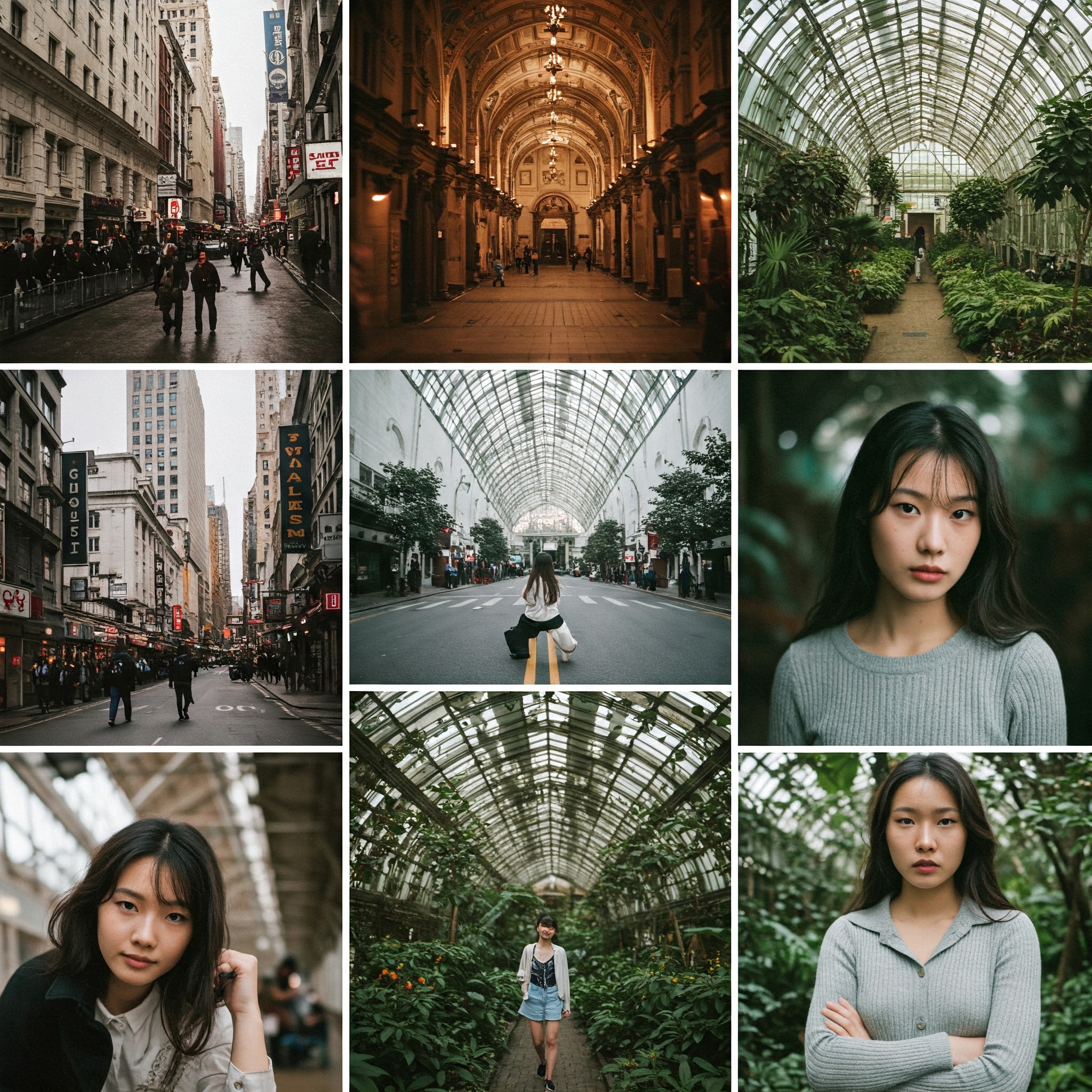
A photo editor is a specialist who deals with processing and preparing photographs for publication in various sources: magazines, newspapers, online publications, books, advertising materials, etc.
Main responsibilities of a photo editor:
Photo selection: From a large number of shots, the photo editor selects the best ones that match the theme, style, and requirements of the publication or project.
Editing: The photo editor processes photographs: resizes, crops, adjusts colors, brightness, contrast, retouches defects, and performs other necessary manipulations to improve image quality.
Material compilation: The photo editor prepares photographs for publication by creating page layouts or collections of images for websites.
Illustration selection: Sometimes the photo editor is involved in searching and selecting photographs from archives, photo banks, or photographers to illustrate texts.
Quality control: The photo editor is responsible for the quality of images, ensuring they are clear, bright, and meet technical requirements.
Collaboration: The photo editor collaborates with photographers, designers, editors, and other team members to achieve the best results.
Copyright compliance: The photo editor monitors compliance with copyright on images to avoid legal issues.
Requirements for a photo editor:
Knowledge of photography basics: The photo editor must understand the principles of composition, light, color, and other aspects of photographic art.
Proficiency in graphic editors: The photo editor must be proficient in image processing programs such as Adobe Photoshop, Lightroom, and others.
Understanding technical requirements: The photo editor must know the technical requirements for images for different types of publications.
Artistic taste: The photo editor must have a developed artistic taste and sense of style to select and process the best photographs.
Communication skills: The photo editor must be able to communicate effectively with photographers, designers, and other team members.
Main responsibilities of a photo editor:
Photo selection: From a large number of shots, the photo editor selects the best ones that match the theme, style, and requirements of the publication or project.
Editing: The photo editor processes photographs: resizes, crops, adjusts colors, brightness, contrast, retouches defects, and performs other necessary manipulations to improve image quality.
Material compilation: The photo editor prepares photographs for publication by creating page layouts or collections of images for websites.
Illustration selection: Sometimes the photo editor is involved in searching and selecting photographs from archives, photo banks, or photographers to illustrate texts.
Quality control: The photo editor is responsible for the quality of images, ensuring they are clear, bright, and meet technical requirements.
Collaboration: The photo editor collaborates with photographers, designers, editors, and other team members to achieve the best results.
Copyright compliance: The photo editor monitors compliance with copyright on images to avoid legal issues.
Requirements for a photo editor:
Knowledge of photography basics: The photo editor must understand the principles of composition, light, color, and other aspects of photographic art.
Proficiency in graphic editors: The photo editor must be proficient in image processing programs such as Adobe Photoshop, Lightroom, and others.
Understanding technical requirements: The photo editor must know the technical requirements for images for different types of publications.
Artistic taste: The photo editor must have a developed artistic taste and sense of style to select and process the best photographs.
Communication skills: The photo editor must be able to communicate effectively with photographers, designers, and other team members.

 Kharkiv
  Available for hire