Switch to English?
Yes
Переключитись на українську?
Так
Переключиться на русскую?
Да
Przełączyć się na polską?
Tak

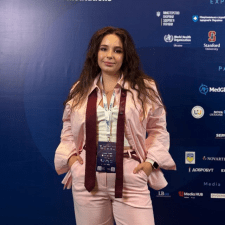
Marta Protsenko

Offer Marta work on your next project.

Ukraine Kremenchug, Ukraine
22 days 17 hours back
Available for hire available for hire
age 25 years
on the service 3 months 17 days

    Rating

    Successful projects
    No data
    Average rating
    No data
    Rating
    358
    Lead Generation & Sales
    176 place out of 766
    Consulting
    122 place out of 608

    Skills and abilities

    Portfolio


    • 416 USD

      B2B case: search for 6,483 SaaS clients

      Databases & SQL
      The client works with a SaaS solution for construction companies and was looking for potential clients to launch cold sales.

      The main task was to find construction companies that:
      * are actively operating in the market
      * have a sufficient scale of business
      * could be potential users of the SaaS solution
      * make decisions regarding the implementation of digital tools.

      The initial market of construction companies appeared to be very large - over *54,000 companies.

      However, this sample included:
      * small contracting teams
      * inactive companies
      * businesses without turnover
      * companies without the potential for implementing SaaS.

      Therefore, launching cold sales across the entire database would be ineffective and would require a large amount of resources.

      What was done

      1. Market analysis
      Initially, key segments of the construction market were identified by industry codes and types of activities.

      This allowed for the identification of companies that are genuinely operating in the construction sector and could be potential clients for the SaaS solution.

      2. Segmentation of companies
      After the initial data collection, companies were segmented based on the following criteria:

      * type of activity
      * size of the company
      * scale of business
      * relevance to the SaaS product.

      3. Financial filtering
      Additionally, filtering was conducted based on the financial indicators of the companies.

      This allowed for the identification of businesses that have sufficient turnover and can implement digital tools for business management.

      4. Formation of the target database
      After all stages of analysis, a target database of companies that could be potential clients for the SaaS product was formed.

      Result
      Instead of working with a market of 54,000 construction companies, a target database of 6,483 potential clients was formed.

      These are companies that:
      * are actively operating in the market
      * have a scale of business
      * can implement SaaS solutions
      * have the potential for long-term cooperation.

      This approach allows:
      * to significantly increase the effectiveness of cold sales
      * to reduce the time spent by the sales department
      * to focus on relevant clients.

      In fact, the market was transformed:
      54,000 companies → 6,483 potential SaaS clients.

      The sales team received a structured market database from which cold calls, email campaigns, and B2B proposals can be launched.

      Link to the case
      https://ministrysale.com/baza-budivelnyh-kompaniy-saas

      The case was executed in collaboration with the Ministry of Sales team. The project was implemented as part of a joint effort on market analytics, company segmentation, and the formation of a B2B database of potential clients.

      #B2B #LeadGeneration #SaaS #Sales #CRM #B2BMarketing #ColdSales #DataResearch
    • 404 USD

      B2B case: search for 2,345 partners for the distribution

      Databases & SQL
      B2B analytics and partner base development case for a company operating in the heat pump market.

      The client's task was to create a distribution network of partners across Ukraine. It was necessary to find companies that are engaged in the installation of heating systems, work with engineering networks, or sell technical equipment and can become dealers or installation partners.

      Initially, the market appeared very large. According to the main classifications:

      43.22 - installation of water supply networks, heating, and air conditioning systems
      46.69 - wholesale trade in machinery and equipment

      the total number of companies amounted to over 212,000.

      However, working with such a large number of companies is practically impossible, as the database included small installation teams, inactive businesses, companies without turnover, or those not working with heat pumps.

      Therefore, the main task was not just to collect a database, but to identify those companies that could realistically become partners for distribution.

      What was done

      Market analysis by classifications
      Two key segments were identified:

      43.22 - companies engaged in the installation of heating systems
      46.69 - companies engaged in the sale of equipment

      Cross-segmentation
      Companies that are simultaneously engaged in installation and equipment sales were separately identified. They have the greatest potential for rapid scaling of heat pump sales.

      Financial filtering
      Additionally, an analysis of companies by annual turnover was conducted, which allowed for determining the scale of the business and selecting the most promising partners.

      Formation of the target database
      After all stages of analysis, a database of companies was formed, which is suitable for launching cold sales and partnership negotiations.

      Result
      Instead of chaotic work with a market of over 212,000 companies, a target database of 2,345 potential partners was formed.

      These are companies that:
      operate in the field of installation of heating systems
      engage in the sale of technical equipment
      have an active business
      can be dealers or installation partners

      This approach significantly increases the effectiveness of cold sales, reduces the sales department's time, and allows for faster building of the dealer network.

      In fact, the market was transformed:
      212,000 companies → 2,345 potential partners.

      The sales team received a structured market map, with which they can systematically build the distribution of heat pumps.

      Link to the case
      https://ministrysale.com/baza-partneriv-teplovi-nasosy-b2b

      The case was executed in collaboration with the Ministry of Sales team. The project was implemented as part of a joint effort on market analytics, company segmentation, and the formation of a B2B database of potential clients.
    • 1011 USD

      Launching cold B2B sales in a manufacturing company

      Consulting
      About the Client

      UKRGOST is a B2B manufacturing company that primarily operated through existing clients and referrals.

      01 // Initial Situation

      Before the start of cooperation, cold sales in the company were virtually non-existent.

      The sales department serviced the existing client base and relied on word-of-mouth. New clients from the cold channel practically did not appear.

      The problem was not in the market, but in the approach:
      * managers were afraid of refusals
      * lacked experience in cold contacts
      * lost clients after the first objection
      * did not possess techniques for handling objections
      * the average duration of a cold call was 27 seconds

      In fact, managers avoided dialogue instead of managing it.

      The company had a team of 9 managers, but the cold channel was not working.

      02 // Our Solution

      The goal was not just to "teach techniques," but to restructure the team's mindset and create a systematic model for cold B2B sales.

      The work was as practical as possible.

      What was done

      1. Audit of real calls
      Conducted a detailed analysis of conversations, identified critical mistakes, and immediately corrected them.

      2. Implementation of SPIN selling
      Adapted the technique to the specifics of the manufacturing B2B audience.
      Together with the managers, personalized SPIN questions were formed.

      3. Working with psychological barriers
      Addressed the fear of refusals, taught how to maintain initiative and not end the conversation after the first "no."

      4. Individual work
      A minimum of 4 hours of individual processing for each manager.

      5. Building a new cold sales funnel
      Structure of dialogue
      Algorithm for handling objections
      KPI control
      Work regulations

      The methodology for systematically launching cold sales is detailed in our blog:
      https://ministrysale.com/blog

      03 // Result

      Before the start of cooperation:
      9 managers
      2–3 new clients per year
      complete dependence on word-of-mouth

      After a 30-day training:
      +9 new clients from cold calls
      average conversation time increased from 27 seconds to 4 minutes
      managers began to confidently conduct negotiations
      learned to identify the real pain of the client
      professionally handle objections
      close deals from cold contacts

      Sales growth from the new channel amounted to 350%.

      The cold channel became a full-fledged scaling tool, not a stress factor for the team.

      Tools
      * SPIN selling
      * cold calls
      * handling objections
      * structured funnel
      * KPI and performance control

      Website of the "Ministry of Sales" company:
      https://ministrysale.com

      All implemented cases:
      https://ministrysale.com/#projects

      Detailed description of this project:
      https://ministrysale.com/ukrgost

      Blog about systematic sales and department management:
      https://ministrysale.com/blog

      Work completed in collaboration by three specialists from the "Ministry of Sales" team:

      Andriy Tymoshchuk
      Kostiantyn Tripailo
      Marta Protsenko
    • 4494 USD

      Building an autonomous sales department in fashion retail

      Lead Generation & Sales
      About the Client

      Fashion Discount Group is a company in the fashion retail sector focused on partner B2B sales and the development of a network in various regions of Ukraine.

      01 // Initial Situation

      At the start of the collaboration, all key negotiations with partners, stores, and shopping malls were personally conducted by the business owners.

      The company had already demonstrated growth; however, there was no systematic sales department. This created a critical limitation for scaling.

      Main Problems:
      * absence of a full-fledged sales team
      * dependence on the personal involvement of the owners
      * inability to forecast results
      * lack of CRM and analytics
      * absence of communication standards
      * previous unsuccessful attempts to hire managers
      * difficulty in controlling a remote team without an office

      The business had the potential for regional scaling but lacked a system capable of ensuring it.

      02 // Our Solution

      The task was to completely relieve the owners of sales responsibilities and create a managed, autonomous structure.

      Over three months, we rebuilt the sales model from scratch.

      1. Formation of the Sales Department
      * recruitment and launch of three sales representatives
      * geography: Kyiv, Lviv, Dnipro
      * clear delineation of areas of responsibility

      2. Implementation of CRM as the core management tool
      * setting up funnels
      * creating dashboards
      * integrating telephony
      * inventory control
      * partner map
      * real-time analytics

      3. Building a new funnel
      * structure from cold contact to contract signing
      * control stages
      * standards for working with leads

      4. Multichannel lead generation
      * Google
      * social networks
      * exhibitions
      * personal visits
      * partner referrals

      5. Sales Standards
      * SPIN questions
      * scripts
      * negotiation algorithms
      * reaching decision-makers
      * working with assistants
      * handling objections

      We detail the methodology for systematically launching sales departments in our blog: https://ministrysale.com/blog

      6. Control System
      * daily KPI monitoring
      * transparent reporting
      * unified working technology for the entire team

      Sales ceased to depend on the "heroism" of the owners and became a managed process.

      03 // Result

      Within three months, sales were fully transferred to the new team.
      The sales department in Kyiv, Lviv, and Dnipro began to operate as a single system:

      * CRM
      * structured funnel
      * dashboards
      * telephony
      * daily performance monitoring

      The company received a scalable model for developing a partner network without the constant involvement of the owners.

      Key Results:
      threefold sales growth
      launch of the sales department in three cities
      complete sales autonomy

      Tools

      * SPIN selling
      * cold calls
      * handling objections
      * funnel building
      * KPI and analytics
      * CRM

      Website of the "Ministry of Sales" company:
      https://ministrysale.com/

      All implemented cases:
      https://ministrysale.com/#projects

      Detailed description of this project:
      [https://ministrysale.com/fashion-discount-group

      Blog about systematic sales and business scaling:
      https://ministrysale.com/blog

      Work completed in collaboration with three specialists from the "Ministry of Sales" team:

      Andriy Tymoshchuk
      Kostiantyn Tripailo
      Marta Protsenko

      If needed, I can prepare a shorter version to meet character limits or a more stringent B2B version focused on financial metrics.
    • 6741 USD

      Building a systematic sales department in the B2B agri-sector

      Lead Generation & Sales
      About the Client

      CROPTER is a company in the narrow B2B niche of agricultural drones with a high average check and a complex deal cycle.

      01 // Initial Situation

      Before the start of cooperation, sales in the company were unsystematic and completely depended on the owners.

      In fact, there was no sales department.
      Managers either did not pass the probation period or did not have sufficient training to work in a complex B2B niche.

      The company operated in a self-employment mode:
      * all key negotiations were conducted by the owners
      * no CRM
      * no adaptation and training system
      * no role structure
      * no communication standards

      Main blockers to development:
      * managers did not have a deep understanding of the product
      * lack of scripts and sales technology
      * zero preparation for cold calls
      * chaotic workday
      * misunderstanding of roles in sales
      * lack of internal quality control

      As a result, the business could not scale, and sales remained unstable.

      02 // Our Solution

      The goal was to build a full-fledged, managed, and profitable sales department in a complex B2B niche with a high check.

      Over 4 months, we completely rebuilt the system.

      1. Team Formation
      * recruiting and selection of managers
      * adaptation and training
      * creation of an internal exam system
      * admission to work only after competency confirmation

      2. Infrastructure Implementation
      * implemented CRM with a full-fledged funnel
      * database integration
      * phone system connection
      * daily KPI control

      3. Training System
      * daily training
      * SPIN selling
      * working with farmers' objections
      * preparation for working with high checks
      * psychological resilience

      We regularly disclose the methodology of systematic sales department launches in our blog:
      https://ministrysale.com/blog

      4. Role Structure

      Functions were clearly divided:
      * lead generator
      * hunter
      * farmer
      * sales department manager
      * call quality controller

      This allowed for increased efficiency and a 25% increase in deal closures.

      5. Process Standardization
      * scripts
      * SPIN questions
      * regulations
      * meeting conduct rules
      * sales stages
      * internal code of conduct

      Sales ceased to depend on specific individuals and became a technology.

      03 // Result

      After implementing the system, the company transitioned from chaotic negotiations to a managed and scalable model.

      In the first month after launching the processes:
      * 15+ agricultural drone sales were made in the off-season
      * one of the managers closed the first deal on the 17th working day
      * sales became predictable

      Average check — 1.7 million UAH per drone.
      The company received a fully autonomous sales department instead of dependence on the owners.

      Tools
      * SPIN selling
      * cold calls
      * working with objections
      * structured funnel
      * KPI and daily control
      * CRM

      Company website "Ministry of Sales":
      https://ministrysale.com

      All our cases:
      https://ministrysale.com/#projects

      Detailed description of this project:
      https://ministrysale.com/cropter

      Blog about building systematic sales:
      [https://ministrysale.com/blog

      Work was done in collaboration with three specialists from the "Ministry of Sales" team:
      Andriy Tymoshchuk
      Kostiantyn Tripailo
      Marta Protsenko
    • 5056 USD

      Building an autonomous sales department for B2B SaaS

      Lead Generation & Sales
      About the Client

      GetOrder is a B2B SaaS solution for automating the acceptance and processing of orders in the HoReCa sector.

      The product had demand and scaling potential, but the business could not achieve systematic growth due to the lack of a full-fledged sales department.

      01 // Initial Situation

      At the start of the collaboration, all sales were concentrated on the company owner.

      He personally:
      * corresponded with restaurants and decision-makers
      * made cold contacts
      * conducted negotiations
      * onboarded new establishments
      * closed deals

      This created a classic "bottleneck" problem. The business was ready to scale but physically lacked the resources for growth.

      Main blockers:
      * owner overloaded with operational processes and sales
      * five months of unsuccessful attempts to build a team independently
      * department head unable to establish processes from scratch
      * low average check of $20–30 per month
      * lack of CRM and control system
      * chaotic correspondence instead of structured negotiations
      * absence of scripts and standardized sales technology

      The business was losing time and potential profit.

      02 // Our Solution

      The task was to completely relieve the owner of sales functions and create an autonomous system capable of scaling.

      Over three months, a complete transformation of the sales model was conducted.

      1. Team Building
      * selection of managers from 1000+ candidates
      * training and adaptation
      * formation of work standards
      * creation of accountability structure

      2. Launch of Cold Sales
      * development of scripts
      * testing hypotheses
      * achieving a stable conversion rate of 2.5% in cold calls

      3. Implementation of Infrastructure
      * CRM
      * telephony
      * call and deal control
      * real-time analytics

      4. Building a New Funnel
      * clear stages from first contact to payment
      * deadlines and checkpoints
      * algorithms for working with decision-makers

      5. Training System
      * LMS with product modules
      * SPIN selling
      * handling objections
      * techniques for reaching decision-makers

      We regularly describe the methodology for building autonomous sales departments in our blog:
      https://ministrysale.com/blog

      6. Change of Focus

      A strategic decision was made to shift the focus from small establishments to network clients with 10+ locations. This allowed for a significant increase in the average check.

      7. Complete Delegation
      All sales, negotiations, and lead generation were handed over to the team. The owner exited the operational role.

      Result

      In 3 months, the sales function became systematic and manageable.

      An autonomous team was created, operating under a clear model:
      * CRM
      * structured funnel
      * telephony
      * LMS training
      * daily KPI control

      Key indicators:
      fivefold increase in average check
      2.5 times increase in sales
      complete delegation of sales by the owner

      The company transitioned from chaotic contacts to a scalable model with clear analytics and predictable results.

      Tools
      * SPIN selling
      * cold calls
      * handling objections
      * funnel building
      * KPI and analytics
      * CRM

      Website of the "Ministry of Sales" company:
      https://ministrysale.com

      All implemented cases:
      https://ministrysale.com/#projects

      Detailed description of this project:
      https://ministrysale.com/getorder

      Blog about building systematic sales:
      https://ministrysale.com/blog

      Work completed in collaboration with three specialists from the "Ministry of Sales" team:
      Andriy Tymoshchuk
      Kostiantyn Tripailo
      Marta Protsenko
    • 337 USD

      Real estate sales without dumping

      Consulting
      About the Client

      A real estate rental agency that operates in a B2C and B2B rental format. A stable flow of inquiries, an active market, and increasing competition.

      Initial Situation

      The company reached out at a time when the number of inquiries was increasing, but the team could not consistently close deals without discounts.

      Sales relied on two factors:
      * discount
      * personal "likability" of the manager

      Negotiations were conducted without structure. The outcome depended not on the process but on the client's mood and the employee's charisma.

      Main Problems:
      * managers did not take the initiative in dialogue
      * the first "expensive" automatically triggered a discount offer
      * lack of deep needs discovery
      * focus on square meters instead of benefits
      * absence of scripts and conversation structure
      * weak handling of objections
      * low conversion with a stable flow of leads

      The team did not know how to sell the value of the property without lowering the price, which reduced the business's margin.

      Our Solution

      The goal was to change the team's mindset and shift sales from a "discount = argument" model to an expert negotiation model.

      We conducted an intensive training with a complete overhaul of the sales approach.

      Focus of Work:
      * dialogue structure
      * initiative control
      * criteria discovery
      * presentation of benefits
      * professional handling of objections
      * proper price articulation

      In 3 days, the following was implemented:
      1. A clear structure for each call
      Start → initiative → criteria → argumentation → benefits → verification → objections → price → closing
      2. Training in deep needs discovery
      24/7 access, security, transport links, parking, infrastructure, status of the location
      3. Abandonment of automatic discounting
      Selling through value, not through discount
      4. Systematic work with objections
      The first "no" no longer meant the end of negotiations
      5. Presentation model
      Characteristic → benefit → clarification
      6. SANDWICH price presentation technique
      First argumentation, then cost
      7. Practicum on real agency scenarios

      The methodology for building structured sales is detailed in our blog:
      https://ministrysale.com/blog

      Result

      Chaotic sales were replaced by a managed process.

      The team began to:
      * work according to structure
      * control the dialogue
      * argue value
      * confidently state the price
      * sell solutions, not square meters

      Discounts ceased to be the main tool for closing deals.
      The focus shifted from price to benefits for the client.

      The manager stopped being a "pleasant conversationalist" and became an expert.

      Tools
      * SPIN selling
      * cold calls
      * funnel structure
      * handling objections
      * KPIs and quality control of dialogues

      This case demonstrates how even in a competitive real estate market, effectiveness can be increased without discounting.

      Other examples of systematic sales transformation:
      https://ministrysale.com/#projects

      Work was done in collaboration by three specialists from the "Ministry of Sales" team:
      Andriy Tymoshchuk
      Kostiantyn Tripailo
      Marta Protsenko

      Website of the "Ministry of Sales" company:
      https://ministrysale.com

      All our cases:
      https://ministrysale.com/#projects

      Blog about systematic sales and department management:
      https://ministrysale.com/blog
    • 4831 USD

      Building an autonomous B2B sales department

      Lead Generation & Sales
      About the client
      Engineering Solutions is an engineering company that provides comprehensive technical solutions for the B2B segment and private clients.

      The company had a strong product, expertise, and demand. However, sales remained completely dependent on the owner.

      Initial situation

      All sales—from the first call to closing the deal—were handled by the owner.
      Negotiations, calculations, presentations, meetings, correspondence—all went through one person. Leads came through word of mouth, exhibitions, events, and even after receiving the Grand Prix "NORDIC SPIRIT," but there was no system for processing them. After the exhibition, over 3500 contacts remained without structured follow-up.

      Main problems:
      • complete dependence on the owner
      • lack of CRM and funnel control
      • absence of a sales department
      • inability to scale
      • “stagnation” of quality leads
      • low team throughput
      • demotivating conditions for hiring

      Company website "Ministry of Sales":
      https://ministrysale.com/

      All our cases:
      https://ministrysale.com/#projects

      Detailed description of this case:
      https://ministrysale.com/engineering-solutions

      Blog about systematic sales and building departments:
      https://ministrysale.com/blog

      The business was ready to grow, but sales became a “bottleneck.”

      Our approach
      We started not with calls, but with the foundation.
      Building the sales system included:

      1. Infrastructure
      • searching for a new office
      • arranging the workspace
      • providing equipment
      • preparing for CRM implementation

      2. Hiring and launching the team
      • opening vacancies
      • processing about 50 candidates
      • forming a team of 3 managers
      • creating healthy internal competition

      ### 3. Training system

      • LMS with video lessons and tests
      • product training
      • SPIN selling
      • handling objections
      • scripts for key segments

      4. Building the funnel
      • structure from the first contact to payment
      • clear stages and deadlines
      • communication standards
      • lead processing algorithms

      5. CRM and control
      • CRM implementation
      • telephony
      • KPI control
      • daily analytics
      • communication history

      We paid special attention to working with designers and architects (about 40% of the database)—developed separate scripts and a strategy for reaching decision-makers.

      Results after 3 months
      • complete removal of dependence on the owner
      • creation of an autonomous sales department
      • structured funnel
      • organized work with exhibition leads
      • launch of a stable cold channel

      Key metrics:
      3.1% — conversion to sales
      ×4.5 — sales growth
      100% delegation of sales by the owner

      Sales ceased to be a chaotic function and became a managed system.

      Tools
      • SPIN selling
      • cold calls
      • handling objections
      • CRM
      • KPI and analytics
      • multi-level funnel

      The project was implemented in collaboration with three specialists from the "Ministry of Sales" team:
      Andriy Tymoshchuk — sales department building strategy, funnel architecture, KPI control
      Kostiantyn Tripailo — process systematization, CRM, analytics, and structure implementation
      Marta Protsenko — marketing strategy, database segmentation, and communication model

      The project was executed as a team-based systematic transformation of the business, fully transitioning from chaotic sales to an autonomous department.